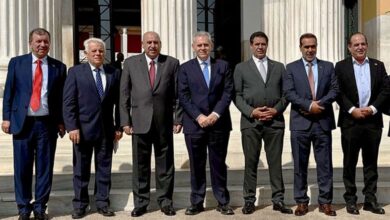
Brussels, 30 September 2026. Co-organization of a Conference on Christian values in Europe at the European Parliament
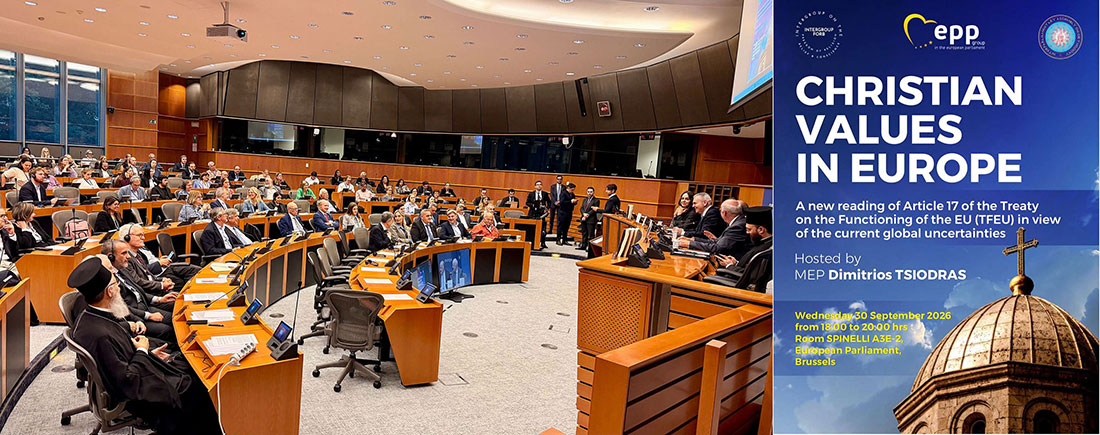
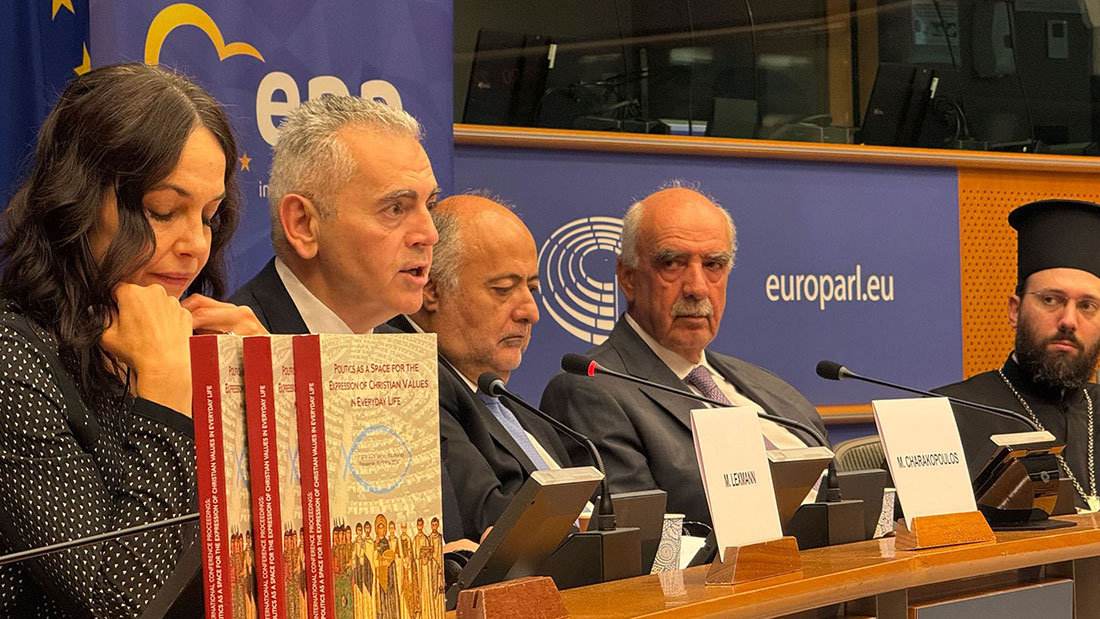
At the initiative of Member of the European Parliament, Mr. Dimitris Tsiodras, the Interparliamentary Assembly on Orthodoxy (IAO), in cooperation with the European People’s Party (EPP) and the EP Intergroup on Freedom of Religion, Belief and Conscience (Intergroup FORB), organized a Conference at the European Parliament entitled “Christian Values in Europe: A New Reading of Article 17 of the Treaty on the Functioning of the European Union (TFEU) in view of the current global uncertainties”.
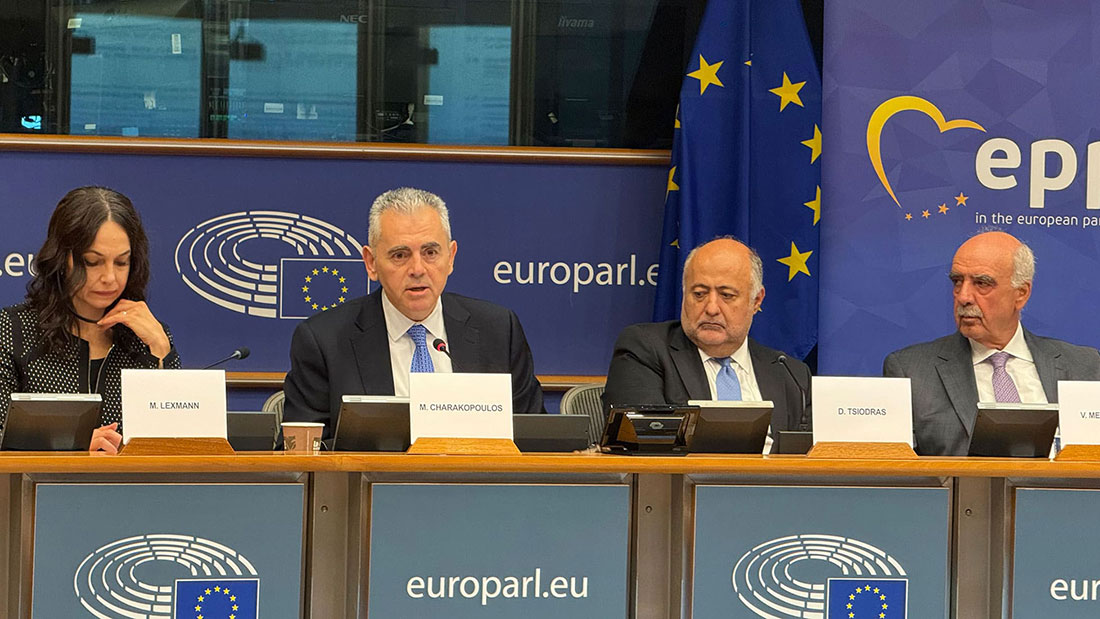
In his address, the IAO Secretary General, Dr. Maximos Charakopoulos, pointed out “at this juncture, the psychological and spiritual unity of the European world emerges as absolutely critical. Unfortunately, in recent decades, European cultural identity has been subjected to a barrage of attacks targeting the very elements that constitute its existence: ancient Greek literature, Roman law, and the Christian tradition. In Europe, we largely succumbed to the siren calls of unbridled rights-based ideology and similar currents, all in the name of assimilating migrant flows or achieving homogeneity. Amidst this frenzy, the Christian tradition was sidelined. However, when combined with other negative developments—such as the economic pressure of the middle class, the widening gap between citizens and political leadership, and the emergence of social distortion in multicultural areas—this has intensified the social backlash. At times, this reaction even takes on dangerous characteristics, shifting toward extreme political movements that are no longer on the fringes but have moved to the forefront, at times even commanding majority support. Shall we, then, continue to turn a blind eye to unfolding events, or shall we roll up our sleeves and place the issue of European identity and its constituent elements back on the agenda?
Highlighting Christian values within our political culture—particularly in a world that seems to have lost its compass—thus emerges as an imperative necessity. We are called upon to serve this necessity—all of us who are deeply concerned about the present and future of Europe, that unprecedented historical experiment upon whose success the course of humanity largely depends”.
Indeed, he noted that “Just a few days ago, we witnessed a scene in Paris that gives us food for thought: hundreds of thousands of people gathered to welcome the Pope in the heart of a country that is perhaps the quintessential symbol of European secularism. What does this image tell us? Respect for freedom of religion does not require erasing Europe’s religious heritage. On the contrary, a Europe that is aware of its history can be simultaneously democratic, pluralistic, and proud of the Christian roots of its civilization”.
The Conference was attended by Members of the European Parliament (MEPs) from various countries and political groups, as well as EU officials. Presentations and interventions were made by MEP Dimitris Tsiodras; Archimandrite Aimilianos Chatzivassiliou, representing His Emimence the Metropolitan Athinagoras of Belgium; Ms. Antonella Sberna, Vice-President of the European Parliament responsible for the implementation of Article 17; MEP Evangelos Meimarakis, Co-Chair of the EPP Working Group on Intercultural and Interreligious Dialogue; MEP Miriam Lexmann, Co-Chair of the Intergroup on Freedom of Religion, Belief and Conscience; His Eminence Bishop Mariano Crociata, President of the Commission of the Bishops’ Conferences of the European Union (COMECE); His Eminence Bishop Apostolos of Tanagra, Director of the Representation Office of the Church of Greece in Brussels; Rev. Frank Dieter Fischbach, General Secretary of the Conference of European Churches (CEC); Alberto Lo Presti, representing the Focolare Movement and the Executive Committee of the Together for Europe; and Dr. Kostas Mygdalis, IAO Advisor.
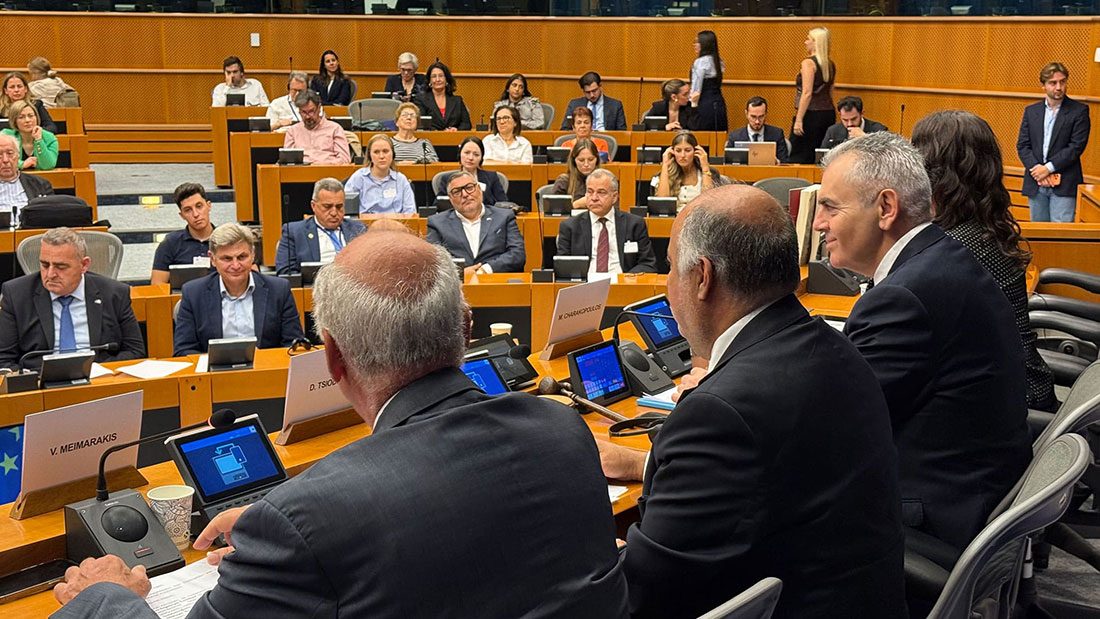
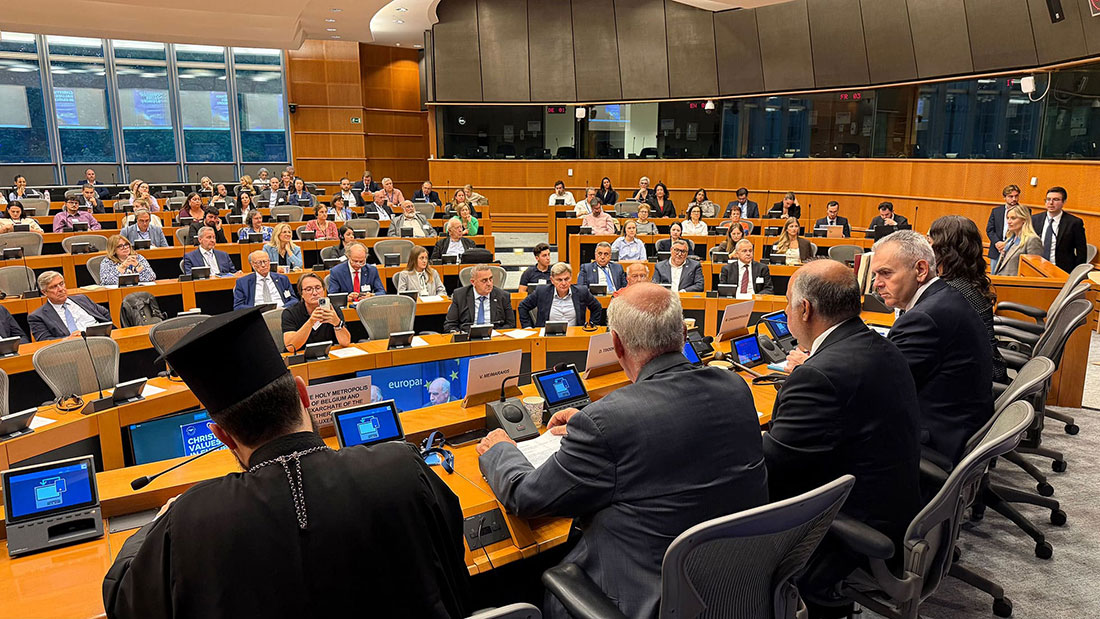
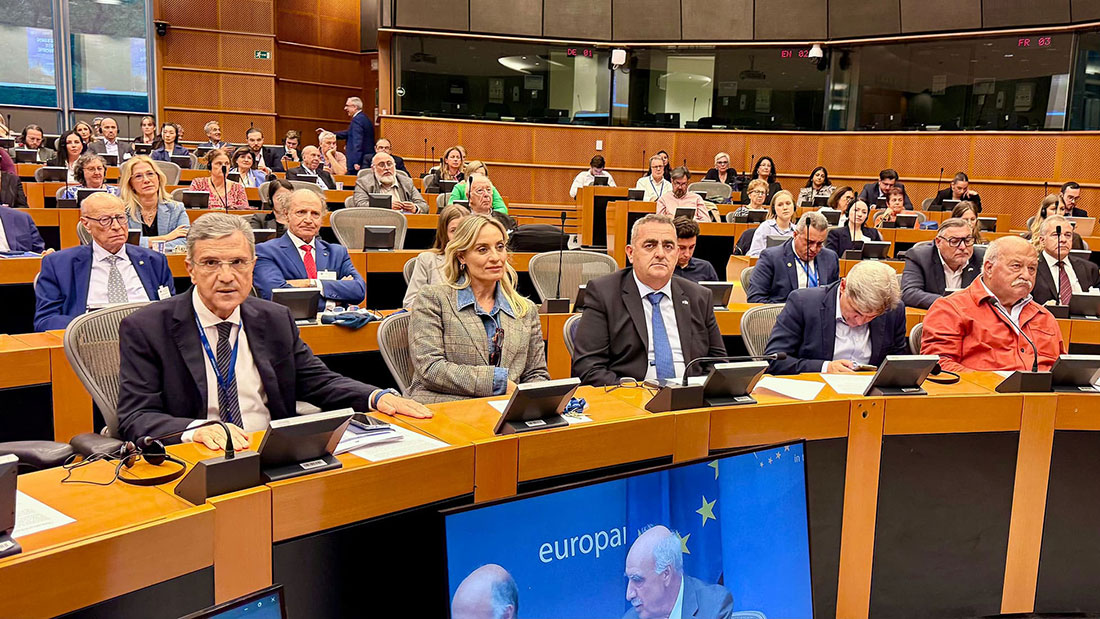
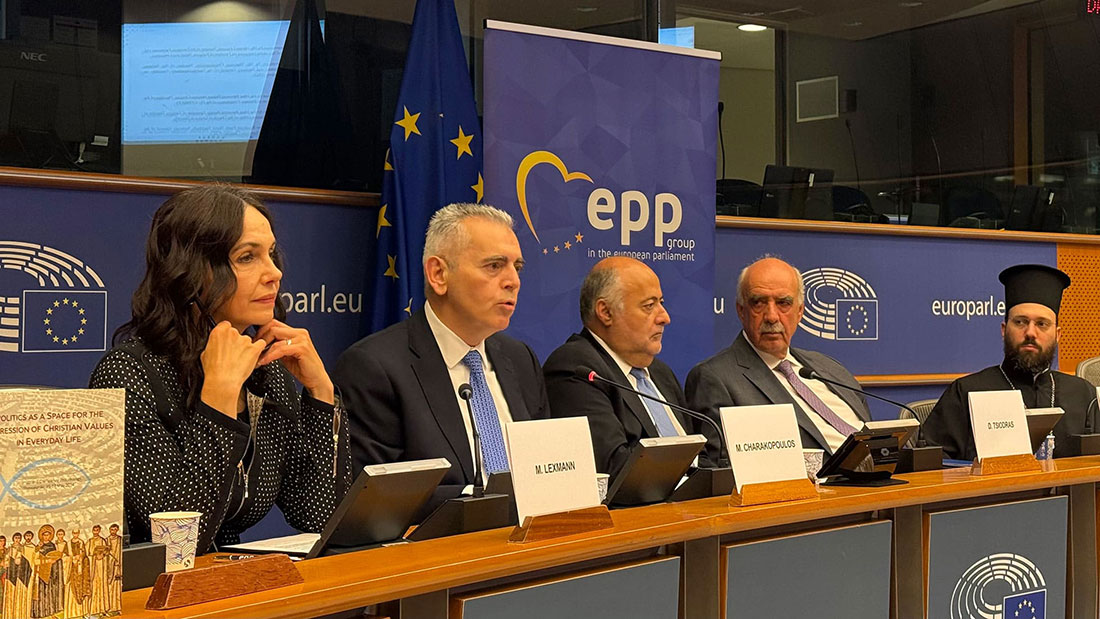
During the conference, the proceedings of the International Political Conference organized by the IAO in Thessaloniki in 2024 – themed “Politics as a sphere for the expression of Christian values in everyday life”- were presented for the first time.